

Introduction to Audi Diesel Engines
Audi has long been a pioneer in the automotive industry, especially in the development of diesel engines. The history of Audi diesel engines can be traced back to their early incorporation into the model range, delivering enhanced performance and fuel efficiency to consumers. Over the years, Audi’s commitment to engineering excellence has positioned these vehicles at the forefront of diesel technology.
The significance of diesel engines within Audi’s offerings cannot be overstated. Known for their superior fuel efficiency, Audi diesel engines provide prolonged range compared to their petrol counterparts. This efficiency stems from the combustion process, which allows for more energy to be extracted from each unit of fuel. Furthermore, diesel engines are recognized for their impressive torque output, making them suitable for both everyday driving and high-performance situations.
Audi’s extensive lineup includes a variety of diesel engines, each designed to meet distinct performance requirements and customer preferences. The renowned TDI (Turbocharged Direct Injection) technology showcases Audi’s dedication to innovation and sustainability, ensuring that their vehicles remain competitive in an evolving market. In addition to standard diesel, Audi has also embraced hybrid technology, accentuating the versatility of its powertrains.
The evolution of Audi diesel engines reflects not only advancements in engineering but also changing consumer expectations regarding environmental impact. By integrating cleaner technologies and focusing on reducing emissions, Audi remains at the cutting edge of automotive design and production. The brand continues to invest in diesel technology, ensuring that their engines meet regulatory standards while providing both power and efficiency.
The Mechanics of Audi Diesel Engines
Audi’s commitment to engineering excellence is evident in the design and functionality of its diesel engines. Understanding the mechanics of these engines requires an exploration of their key components, including the fuel system, turbochargers, and emissions control systems, all of which work together to enhance performance and efficiency.
At the heart of every Audi diesel engine lies the fuel system, responsible for delivering precise amounts of diesel fuel to the engine’s injectors. The system utilizes advanced direct injection technology, which ensures that the fuel is atomized and mixed with air more efficiently, leading to better combustion. This mechanism not only improves engine efficiency but also reduces harmful emissions, aligning with modern environmental standards.
The role of turbochargers in Audi diesel engines cannot be overstated. Turbocharging employs exhaust gas to drive a turbine that compresses incoming air, thereby increasing the amount of oxygen available for combustion. This results in marked improvements in power output and torque, making Audi diesel engines some of the most formidable in their class. The evolution of turbocharging technology in Audi has allowed for smaller, more efficient engines that do not compromise on performance.
Emissions control systems are another crucial aspect of Audi diesel engines. Incorporating technologies such as selective catalytic reduction (SCR) and diesel particulate filters (DPF), these systems reduce NOx emissions and particulate matter, making Audi diesel engines compliant with stringent emission regulations. The continuous innovation in this area reflects Audi’s dedication to sustainability while providing drivers with powerful yet eco-friendly vehicles.
In summary, the mechanics of Audi diesel engines are a product of sophisticated engineering, integrating advanced fuel systems, turbocharging technologies, and emissions controls. This combination ensures that Audi continues to lead in the automotive industry, providing high-performance vehicles that offer both power and environmental consciousness.
Benefits of Choosing an Audi Diesel Engine
The choice of an Audi diesel engine offers numerous advantages that cater to a variety of driving preferences and needs. One of the primary benefits of owning a diesel variant is fuel economy. Audi diesel engines are known for their efficiency, often achieving better miles per gallon (MPG) figures compared to their petrol counterparts. This exceptional fuel efficiency is especially advantageous for consumers who frequently engage in long-distance driving or frequently travel for work, as it translates into lower fuel costs and reduced emissions.
Another significant benefit that comes with the evolution of Audi diesel technology is the longevity and durability of these engines. Diesel engines, including those developed by Audi, are generally designed to withstand more wear and tear due to their robust construction. This means that owners can often expect a longer lifespan from their diesel vehicle compared to petrol engines, which appeals to those seeking a reliable, long-term investment.
The driving experience provided by an Audi diesel engine is also noteworthy. Diesel engines deliver a substantial amount of torque, which enhances the vehicle’s acceleration and overall performance. This feature not only makes for a more engaging and powerful driving experience, but it also enables Audi diesel models to perform proficiently in various driving conditions, including uphill terrains and towing scenarios. Moreover, the characteristic sound of a diesel engine can be thrilling, often giving drivers feelings of enhanced power and control.
When comparing Audi diesel engines to petrol variants, consumers find that diesel engines typically provide better long-term value. Although the initial purchase price of a diesel vehicle may be slightly higher, the savings on fuel and maintenance costs can quickly balance out the difference. Thus, for those considering a new vehicle, an Audi diesel engine represents a rational choice that blends performance, efficiency, and longevity.
Common Audi Diesel Engine Models and Specifications
Audi has long been at the forefront of automotive engineering, particularly when it comes to the development of efficient and powerful diesel engines. The history of Audi’s diesel technology, paving the way toward clean and efficient performance, showcases an evolution that appeals to both performance enthusiasts and environmentally conscious consumers.
One of the most notable models is the Audi A6 with its 3.0 TDI engine. This particular engine produces approximately 282 horsepower and 442 lb-ft of torque, delivering a robust performance with remarkable efficiency. The TDI technology used in this engine highlights Audi’s commitment to optimizing fuel consumption while providing a thrilling driving experience.
Another model worth mentioning is the Audi Q7, which also features the 3.0-liter TDI engine. This diesel variant is capable of generating around 228 horsepower and an impressive torque of 369 lb-ft. Its use of advanced common-rail technology further enhances its fuel efficiency and reduces emissions, illustrating the evolution of Audi’s diesel engine technology.
For smaller vehicles, the Audi A3 with a 2.0 TDI engine stands out, offering a balance of power and economy. With a horsepower rating of 150 and a torque output of 236 lb-ft, the A3 demonstrates that the compact class can also benefit from robust diesel engine performance.
Lastly, the Audi Q5 showcases a 2.0 TDI engine variant that emphasizes versatility and practicality, making it ideal for drivers who require both substance and style. With a power output of around 190 horsepower and 295 lb-ft of torque, this model aligns with the ongoing trend of hybrid technologies and electric engines, marking a shift in the automotive landscape.
In summary, Audi’s diesel engine models reflect a dedication to innovation and performance, each with unique specifications that cater to a wide range of driving preferences and environmental considerations.
Maintenance Tips for Audi Diesel Engines
Maintaining an Audi diesel engine is essential for ensuring optimal performance and longevity. Regular servicing is the cornerstone of proper maintenance. It is recommended that owners adhere to a specific servicing schedule as outlined in the vehicle’s manual, typically every 10,000 to 15,000 miles. This schedule includes comprehensive inspections of crucial components, ensuring that fluids and filters are replaced to maintain the engine’s efficiency.
Regular oil changes play a vital role in the upkeep of Audi diesel engines. Diesel engines often run hotter than their petrol counterparts, which can lead to accelerated oil degradation. Changing the oil every 10,000 miles, or more frequently under severe driving conditions, can prevent excessive wear and keep the engine running smoothly. It is advisable to use high-quality oil that meets Audi’s specifications for diesel engines, as the right oil can significantly impact performance.
Another critical aspect of maintenance is maintaining fuel quality. The use of high-quality fuel can enhance performance and reduce engine knocking. Storing fuel in clean containers and avoiding filling up at questionable stations can help prevent contaminating the fuel system. Additionally, adding a diesel fuel additive periodically can assist in clean combustion and prevent build-up within the fuel injectors.
Utilizing high-quality parts and accessories for repairs or replacements is fundamental for the health of your Audi diesel engine. Investing in genuine Audi parts or reputable aftermarket options can lead to better efficiency and reliability. This attention to detail in maintenance reflects the broader evolution of Audi’s engineering, emphasizing the importance of utilizing advanced technology that aligns with the history of Audi and its commitment to quality.
Troubleshooting Common Issues
Audi diesel engines, known for their efficiency and performance, may occasionally present problems that require troubleshooting. Common issues can arise from various factors, including emissions controls, performance degradation, and mechanical failures. Understanding these issues is vital for maintaining the optimal functionality of your Audi.
One common issue with Audi diesel engines is a decrease in performance. This can manifest as sluggish acceleration or reduced horsepower. It is often caused by a clogged diesel particulate filter (DPF) or faulty turbochargers. Regular diagnostics can help identify these conditions early. If your engine exhibits power loss, consider inspecting the DPF and ensuring that it is properly regenerating. If issues persist, professional assistance may be necessary to evaluate turbo performance and replace any failing components.
Emissions problems are another concern for Audi diesel owners, especially given the strict regulations around emissions. Symptoms of this issue can include warning lights on the dashboard and increased smoke emission. Often, this results from malfunctioning sensors, such as the oxygen sensor or exhaust gas recirculation (EGR) valve. Addressing these problems quickly is essential, as ignoring emissions-related issues can lead to further complications and hefty fines. Routine maintenance and timely sensor replacements can mitigate emissions issues.
Mechanical failures also pose a significant risk to Audi diesel engines. Common signs of mechanical problems include unusual noises, vibrations, or warning lights. These could indicate serious issues such as fuel pump failures or issues with the timing belt. It is critical to follow recommended service intervals to reduce the likelihood of such issues. Furthermore, if you notice any abnormal signs, seeking professional help is advisable, as they can perform comprehensive diagnostics and recommend suitable maintenance practices to ensure the longevity and performance of your Audi diesel engine.
Audi Diesel Engine Innovations
Audi has consistently focused on leading the automotive industry through significant innovations, particularly in the realm of diesel engines. The evolution of Audi diesel engines showcases a commitment not only to performance but also to sustainability. Recent advancements in turbocharging technology have been pivotal, allowing for an increased power output while simultaneously enhancing fuel efficiency. This innovation means that drivers can experience a potent performance without the traditional penalties associated with heavy fuel consumption.
In addition, Audi has implemented novel emissions reduction technologies as part of its diesel engine offerings. These technologies are designed to meet increasingly stringent environmental regulations without compromising on the engaging driving dynamics Audi is known for. The introduction of selective catalytic reduction (SCR) systems, which reduce nitrogen oxide emissions, is one example of how Audi diesel engines lead the market in lower emissions. The effectiveness of these systems demonstrates Audi’s dedication to combatting environmental challenges while maintaining the driveability that enthusiasts expect from the brand.
The shift towards cleaner diesel options reflects Audi’s forward-thinking approach. By incorporating high-performance diesel engines that run more efficiently and with lower environmental impact, Audi aims to redefine consumer perceptions of diesel power. Moreover, the integration of hybrid technology into Audi diesel models combines the robustness of diesel with the versatility of electric assistance, further propelling the brand towards a more sustainable future. As part of this commitment, Audi continues to explore the development of petrol and electric engines, diversifying its offering while ensuring that both performance and environmental responsibility are kept in harmony.
Future of Audi Diesel Engines
The future of diesel engines within Audi’s portfolio represents a pivotal point in the automotive industry, especially considering the increasing global shift towards electric vehicles. While diesel engines, such as those used in Audi’s popular models, have historically provided a blend of performance and efficiency, their long-term viability faces significant scrutiny under changing market dynamics.
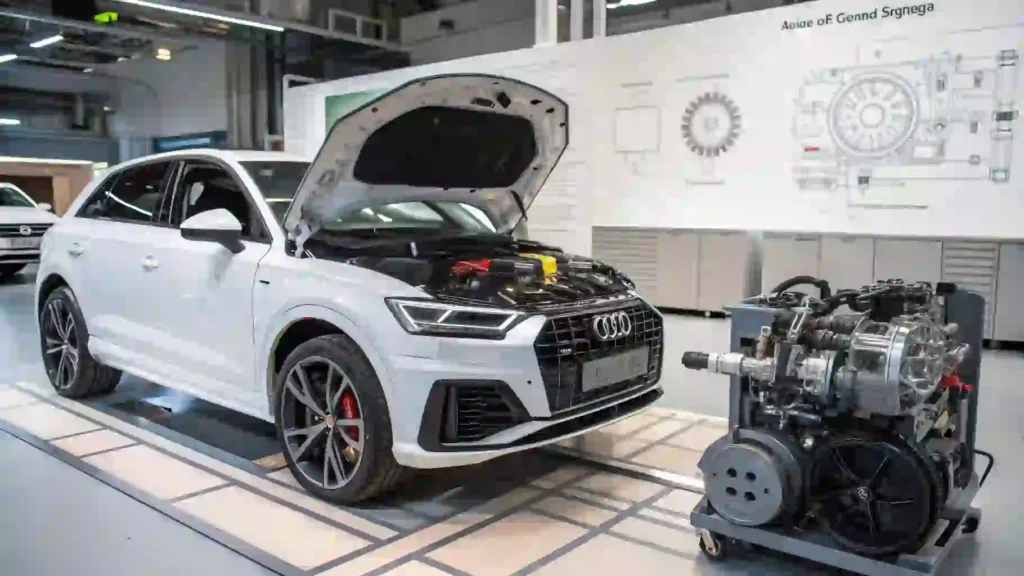
Recent trends reveal a growing consumer preference for more sustainable options. Electric vehicle adoption rates are surging, bolstered by advancements in battery technology and environmental regulations that encourage a transition away from fossil fuels. In response, Audi has begun to diversify its engine offerings by enhancing its electric and hybrid platforms. The evolution of Audi technologies is likely to result in a gradual reallocation of resources away from diesel development.
Market trends also indicate increasing regulatory pressures globally aimed at reducing emissions, which have posed substantial challenges for diesel engines. The European Union, for instance, has enacted stringent measures to limit nitrogen oxide emissions, a key concern for diesel vehicles. This regulatory landscape is compelling Audi to assess the future viability of its diesel engine lineup closely.
Despite these challenges, Audi has committed to maintaining its diesel offerings, especially in markets where they continue to be popular for their efficiency and range. By integrating advanced emissions-reduction technologies and enhancing the performance of its diesel engines, Audi aims to meet regulatory requirements while catering to specific customer segments.
Moving forward, Audi’s strategy seems to hinge on a balanced approach: maintaining robust diesel engine options for dedicated fans while progressively investing in the development of electric, hybrid, and increasingly efficient petrol engines. This integrated strategy could ensure that Audi remains competitive in an evolving landscape where the history of Audi and its diesel engines continues to intertwine with emerging technologies.
Conclusion
Throughout this guide, we have explored the historical context and technological advancements of Audi diesel engines, highlighting their significant contribution to the evolution of Audi as a brand. Audi’s commitment to engineering excellence is evident in the performance and efficiency of its diesel engines, which offer a compelling alternative to petrol engines. The benefits of Audi diesel engines, including their impressive torque delivery and excellent long-distance fuel efficiency, make them a favorable choice for many drivers.
In addition to the traditional diesel offerings, Audi has also ventured into the realms of hybrid and electric engines, showcasing its adaptability to changing market demands and consumer preferences. The introduction of advanced technologies in these engines underlines Audi’s commitment to sustainability and innovation in the automotive sector.
As consumers become more environmentally conscious, the need for efficient powertrains becomes increasingly essential. Audi’s diverse engine lineup, which now includes diesel, petrol, hybrid, and electric options, caters to a wide range of preferences and requirements. This evolution positions Audi favorably amid the competitive landscape of the automotive industry.
In conclusion, when considering a purchase, potential buyers are encouraged to explore the benefits offered by Audi diesel engines, which combine performance with efficiency. The unparalleled engineering and technology that Audi employs in its diesel models demonstrate that these vehicles are worth serious consideration. For those interested in learning more about Audi’s offerings or test-driving a model, contacting a local Audi dealer is a recommended next step. Additionally, for further information on the latest advancements in automotive technology, readers may wish to continue researching the evolution of various engine types within the Audi portfolio.