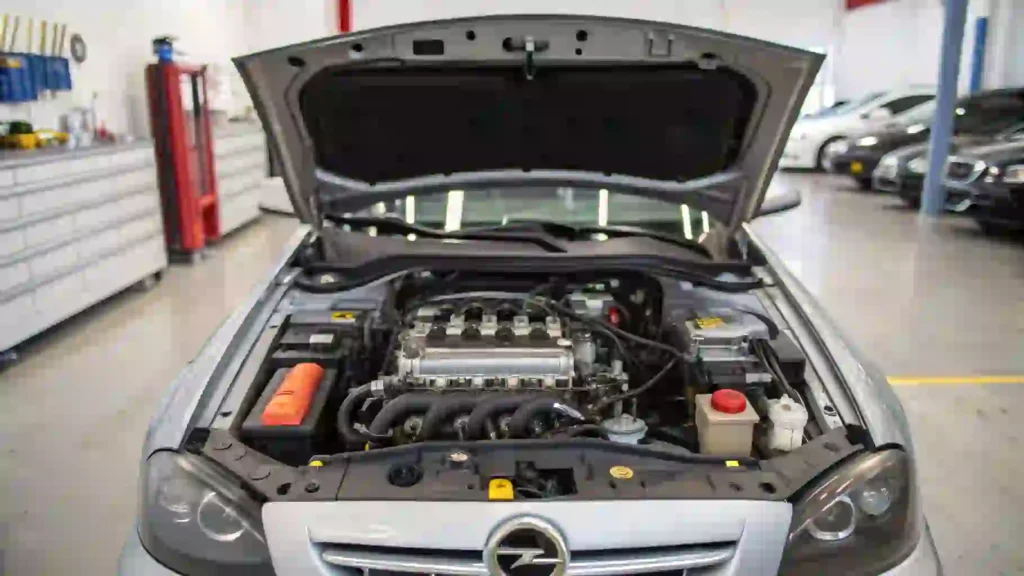

Introduction to Opel Petrol Engines
Opel, a prominent name in the automotive industry, has a rich history that showcases its evolution from a small workshop to a major car manufacturer. Established in 1862 by Adam Opel in Rüsselsheim, Germany, the company initially focused on producing sewing machines before shifting its attention to bicycles and eventually automobiles. This transition marked the start of the brand’s long-standing reputation for innovation and quality. Over the years, Opel has played a critical role in the automotive sector, developing various technologies, including the evolution of Opel‘s engine range, which has significantly shaped its identity.
Historically, Opel has produced a range of engines, with petrol engines being a significant part of its portfolio. The evolution of Opel petrol engines reflects the company’s commitment to advancing performance, efficiency, and environmental standards. These engines have been designed to deliver a dynamic driving experience while adhering to regulatory requirements. This focus on petrol engine technology has allowed Opel to remain competitive in an ever-evolving marketplace.
This guide aims to provide comprehensive insights into Opel petrol engines, exploring their history, technological advancements, and their key features. Readers can expect to learn about various models, engine specifications, and how these engines compare to their diesel, hybrid, and electric counterparts. The significance of Opel petrol engines lies not only in their performance but also in their contribution to the broader context of Opel’s automotive legacy. By delving into this guide, enthusiasts and potential buyers can gain a deeper appreciation for the intricacies of Opel’s engine lineup and its commitment to innovation in the automotive field.
Types of Opel Petrol Engines
Opel has a rich history of producing a variety of petrol engines, catering to the diverse needs of consumers. Each type of engine offers unique specifications and advantages, allowing Opel to maintain a competitive edge in the automotive market. Among the different types, naturally aspirated engines, turbocharged engines, and hybrid options stand out.
Firstly, naturally aspirated engines are known for their simplicity and reliability. These engines operate using atmospheric pressure alone, allowing air to enter the combustion chamber without any additional assistance from a turbocharger. Their straightforward design often results in lower maintenance costs, making them suitable for drivers who prefer a hassle-free experience. The performance of naturally aspirated engines is typically characterized by smooth power delivery and a linear acceleration, which can be seen in several models within the Opel range.
On the other hand, turbocharged engines have gained popularity in recent years due to their ability to deliver higher power outputs without significantly increasing engine size. By utilizing a turbocharger, these engines compress the intake air, increasing its density and enabling a more efficient combustion process. This results in improved fuel efficiency and reduced emissions while providing a powerful driving experience. Opel diesel engines, for example, have often employed turbocharging technology, leading to enhanced performance across various models.
Lastly, hybrid petrol engines present a modern solution to the growing demand for eco-friendly vehicles. Combining traditional petrol engines with electric motors, Opel hybrid engines are designed to minimize fuel consumption and reduce carbon footprint. This innovative technology allows for a seamless transition between electric and petrol power, adapting to driving conditions for optimal efficiency. With the evolution of Opel, the development of these engine types showcases the company’s commitment to producing vehicles that meet the needs of contemporary drivers.
Performance and Efficiency
The evolution of Opel petrol engines reflects a commitment to advancing both performance and fuel efficiency. Opel has continuously developed its engine technology, resulting in a range of engines that deliver impressive horsepower and torque while maintaining economical fuel consumption. In recent years, Opel petrol engines have become more refined, incorporating innovative features such as turbocharging and direct fuel injection.
Turbocharging significantly enhances the power output of smaller engine sizes. By forcibly increasing the intake air supply, turbochargers provide a boost without necessitating a larger displacement engine. As a result, modern Opel petrol engines achieve greater horsepower metrics compared to their predecessors, allowing vehicles to accelerate faster while using less fuel. For example, the current range of petrol engines can produce up to 225 horsepower, illustrating a robust performance that meets the demands of today’s drivers.
Furthermore, direct injection technology plays a pivotal role in promoting fuel efficiency. This system delivers fuel directly into the combustion chamber at high pressure, resulting in a more complete burn and reduced emissions. Consequently, drivers can expect improved fuel economy numbers, clocking in at approximately 50 miles per gallon in some Opel models. In a time when environmental considerations are paramount, such advancements ensure that Opel remains a competitive player in the automotive market.
The history of Opel has largely been defined by its innovative spirit, exemplified through the development of its petrol engines. Overall, the introduction of hybrid and electric variants complements traditional petrol engines in Opel’s lineup, showcasing their adaptability to modern demands. This comprehensive approach to engine performance and efficiency confirms Opel’s dedication to producing vehicles that offer a harmonious balance of power and economy.
Maintenance Tips for Opel Petrol Engines
Maintaining the health and longevity of Opel petrol engines is integral to ensuring optimal performance and reliability. Regular maintenance practices are essential to prevent premature wear and enhance engine efficiency. One of the most critical aspects of engine maintenance is timely oil changes. It is advisable to follow the manufacturer’s guidelines regarding oil change intervals, typically every 5,000 to 7,500 miles. Fresh oil ensures proper lubrication of engine components, thereby reducing friction and wear.
Another vital maintenance task is the replacement of spark plugs. Spark plugs are essential for the combustion process in petrol engines and should generally be replaced every 30,000 miles or as specified in the manufacturer’s manual. Worn or faulty spark plugs can lead to poor fuel efficiency, misfires, and a reduction in overall engine performance.
In addition to oil changes and spark plug replacements, conducting regular inspections of various engine components is crucial. Check the air filter and replace it if it appears clogged or dirty, as a clean air filter promotes better airflow and fuel efficiency. Furthermore, ensure that fuel filters are also inspected and replaced as per the recommended schedule to prevent any fuel delivery issues.
Moreover, keeping an eye on the coolant levels and ensuring the cooling system operates efficiently can prevent overheating, a common issue in petrol engines. Regularly inspect belts and hoses for any visible wear or corrosive damage, which can lead to significant engine problems if left unaddressed.
By adhering to these maintenance tips, Opel petrol engines can continue to perform at their best for years. Proper maintenance not only extends the life of the engine but also contributes to the overall driving experience, promoting safety and reliability on the road.
Common Issues with Opel Petrol Engines
Opel petrol engines, known for their efficient performance and reliability, can still encounter a variety of issues over time. Understanding these common problems is essential for any owner seeking to maintain optimal engine performance. One prevalent issue is the occurrence of rough idling. Symptoms may include fluctuations in engine speed and a noticeable vibration when the vehicle is stationary. This can often be attributed to dirty fuel injectors or a malfunctioning spark plug. Regular cleaning of injectors and timely replacement of spark plugs can help prevent this issue.
Another frequent concern is the overheating of the engine, which can lead to severe damage if not addressed promptly. Symptoms include a rising temperature gauge and steam emanating from the engine compartment. Overheating can result from a failing thermostat, inadequate coolant levels, or a malfunctioning water pump. Owners should routinely check coolant levels and the condition of engine components to mitigate the risk of overheating.
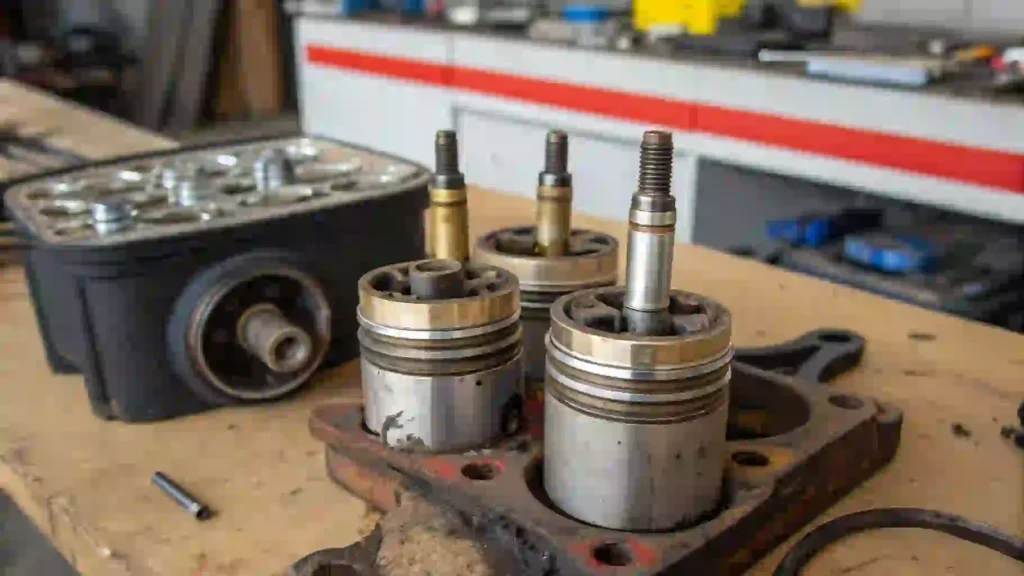
Fuel economy deterioration is also a common complaint among Opel petrol engine owners. Symptoms often manifest as noticeable increases in fuel consumption accompanied by a decrease in engine performance. This issue may result from various causes such as a faulty oxygen sensor or clogged air filters. To enhance fuel efficiency, it is advisable to regularly inspect and replace air filters and ensure that sensors are in good working condition.
Lastly, engine knocking is another significant issue that may arise. This is characterized by unusual sounds from the engine and can be indicative of low-quality fuel or improper ignition timing. Using higher octane fuel and having regular engine tune-ups can help alleviate knocking. By being aware of these common Opel petrol engine issues, owners can take proactive measures to maintain their vehicles and ensure longevity.
Opel Petrol Engine Innovations
Throughout its long history, Opel has continually evolved its petrol engine technology to meet changing consumer demands and regulatory standards. The evolution of Opel’s petrol engines showcases advancements that not only enhance performance but also improve environmental sustainability. One of the key innovations has been the incorporation of advanced emissions control technologies. These systems significantly reduce harmful pollutants, aligning with global efforts to promote cleaner air.
Recent developments in Opel petrol engines include enhanced fuel efficiency achieved through the integration of smart fueling technologies. By adopting turbocharged engines, Opel manages to maximize fuel efficiency while delivering powerful performance. This means that drivers can enjoy increased power without compromising on fuel consumption. Additionally, Opel has invested in hybrid systems that combine traditional petrol engines with electric propulsion. This fusion not only improves overall fuel economy but also provides additional torque and responsiveness.
The introduction of the Opel hybrid engine exemplifies the brand’s commitment to innovation. These engines represent a harmonious blend of petrol and electric power, allowing for seamless transitions between energy sources. Furthermore, Opel’s new petrol engines are designed with lighter materials and advanced design techniques, contributing to improved overall vehicle dynamics and efficiency.
Opel is also advancing into the electrification of its engine lineup. The company’s commitment to developing an Opel electric engine reflects the growing importance of sustainability in the automotive industry. This shift signifies a forward-looking approach, ensuring that Opel remains competitive in a market that increasingly favors eco-friendly solutions.
In conclusion, the evolution of Opel in terms of petrol engine innovations demonstrates their dedication to improving performance, reducing emissions, and embracing new technologies. As they continue to integrate features like hybrid systems and smart fueling technologies, Opel firmly positions itself as a leader in modern automotive engineering.
Comparison with Competitor Engines
When analyzing the evolution of Opel’s petrol engines, it is essential to understand how they stack up against competitor engines in the same market segment. Opel has consistently worked on enhancing engine performance, reliability, and technology, striving to meet the demands of modern drivers.
One significant differentiator is the innovative technology employed in Opel’s petrol engines. Unlike some competitors, Opel has integrated advanced direct injection systems across their petrol engine range, which enhances fuel efficiency and reduces emissions. This approach places Opel petrol engines in close competition with rivals from brands such as Ford and Volkswagen, known for their reliable and efficient engines.
Performance is another critical aspect where comparisons can be drawn. The latest generation of Opel petrol engines offers comparable horsepower and torque figures to competitors. For instance, the Astra’s small-displacement turbocharged petrol engines compete directly with similar engines from Renault and Peugeot, demonstrating a balance between performance and fuel economy. In this aspect, Opel aligns with industry trends while also committing to producing engines that deliver a pleasurable driving experience.
Reliability stands as a fundamental pillar for any automobile manufacturer, and Opel has cultivated a reputation for producing long-lasting engines. In terms of warranty and maintenance, Opel offers competitive packages that often exceed those of key rivals, providing assurance to potential buyers. The use of high-quality materials and advanced engineering in Opel’s petrol engine design signifies the brand’s dedication to durability.
In conclusion, while Opel’s petrol engines exhibit commendable technology, performance, and reliability, they remain competitive within a market where automotive innovation is rapidly evolving. The history of Opel reflects a brand that continuously adapts to meet the demands of consumers, ensuring that Opel petrol engines remain a strong choice alongside competitor offerings.
Future of Opel Petrol Engines
The evolution of Opel is marked by its commitment to innovation and adaptability, particularly in the context of emerging trends in the automotive industry. As the global market slowly shifts towards electric and hybrid vehicles, the future of Opel petrol engines is poised for significant change. Despite this transition, Opel recognizes the importance of continuing to develop robust petrol engine technologies, preparing them to coexist alongside hybrid and electric powertrains.
In light of environmental challenges and stringent regulations, Opel is investing heavily in research and development aimed at enhancing the efficiency of its petrol engines. Future iterations are expected to incorporate advanced technologies such as turbocharging and direct fuel injection, improving performance while reducing emissions. This focus on modernization is essential as the history of Opel demonstrates a consistent drive toward technical excellence, which must now extend into cleaner fuel options.
Furthermore, Opel plans to introduce hybrid variants of their petrol engines, combining the best of both worlds. These innovative solutions will provide consumers with the familiar experience of a petrol engine while benefiting from the additional efficiency provided by electric assistance. Additionally, the advancement of Opel diesel engines remains in the conversation, particularly for market segments that demand higher torque and efficiency.
As the market embraces electrification, Opel is also exploring the integration of smart technologies in petrol engines, such as connectivity features. This will not only align with consumer preferences for enhanced vehicle interactivity but also pave the way for future Opel electric engines. Ultimately, while the landscape is changing, Opel’s strategy is adaptive, ensuring that petrol engines remain relevant through innovation and commitment to environmental responsibility.
Conclusion
Throughout this guide, we have explored the evolution of Opel, particularly focusing on its petrol engines and their significance within the automotive landscape. From the initial designs to the latest developments, Opel has consistently aimed to enhance engine performance while adhering to strict environmental standards. Understanding the history of Opel’s petrol engine technology enables enthusiasts and potential buyers to appreciate the engineering advancements made over the years.
Additionally, we examined various models equipped with Opel petrol engines, highlighting their efficiency and reliability. These engines have incorporated innovative features that improve fuel efficiency and power output, catering to the diverse needs of drivers. The introduction of hybrid and electric engine options signifies Opel’s commitment to sustainability and modern automotive trends, showing that the brand is not only rooted in tradition but is also prepared for the future of mobility.
The evolution of Opel reflects a continuous pursuit of excellence, ensuring that their engines remain competitive in an ever-changing market. With advancements in technology, including the performance of the Opel diesel engine compared to petrol counterparts, consumers have a plethora of options to match their driving preferences.
As we conclude this guide, it is essential for readers to further explore Opel’s extensive lineup of models and technologies. Engaging with the intricate designs and innovative features of Opel’s petrol, diesel, hybrid, and electric engines can provide a deeper appreciation for the brand’s impact on the automotive industry. We encourage you to stay informed on future developments as Opel continues to redefine its role in the marketplace.